

Hearing Loss
HEARING LOSS
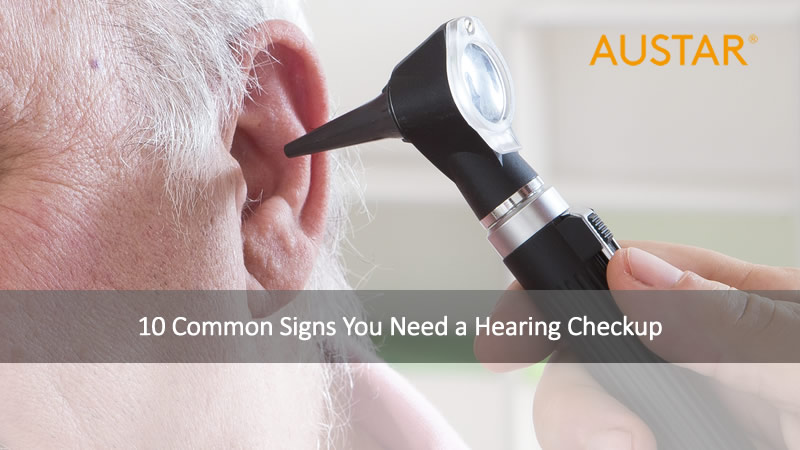
10 Common Signs You Need a Hearing Checkup

10 Common Signs You Need a Hearing Checkup

Many people assume their ears are fine just because they can hear loud sounds, dismissing occasional difficulty as simple absent-mindedness. However, hearing loss often creeps in silently over months or years rather than happening overnight. The challenge is that you might not even realize what sounds you are missing.

10 Common Signs You Need a Hearing Checkup

How can you tell if your hearing is gradually declining in daily life? Here are 10 common warning signs. If you experience three or more of these, it is wise to schedule a professional hearing evaluation.

1. Turning the TV or Phone Volume Up Too High

This is one of the most classic signs. While others find a normal volume comfortable, you find yourself constantly nudging it higher. Family members may complain that the sound is too loud, but to you, it finally sounds clear.

2. Constantly Asking People to Repeat Themselves

You frequently catch yourself saying "What?" or "Pardon?", especially when someone isn't facing you directly or when there is background noise. You may even unconsciously turn one ear toward the speaker to catch the words.

3. Struggling to Hear on Phone Calls

Phone conversations strip away visual cues and high-frequency details. If you frequently switch ears, press the phone tightly against your head, or rely entirely on speakerphone to make voices sound clearer, your high-frequency hearing may be fading.

4. Trouble Following Conversations in Noisy Places

In busy restaurants, parties, or cars, conversations blur into background noise. Instead of straining to keep up, you might find yourself just nodding and smiling, or withdrawing from the conversation entirely.

5. Feeling Like People Are Mumbling

It's not that everyone around you is speaking unclearly; rather, you are missing critical high-frequency consonant sounds (like "s," "sh," and "f") that give speech its definition. You hear the voice, but you miss the details.

6. Losing Your Place in Group Conversations

By the time your brain processes a question in a fast-moving group chat, the topic has already changed. This delayed response often leads to awkwardness and makes social settings exhausting rather than enjoyable.

7. Experiencing Persistent Ringing in the Ears (Tinnitus)

Ringing, buzzing, or hissing sounds often accompany hearing loss. While brief, occasional ringing is normal, tinnitus that lasts for more than a week alongside hearing difficulties warrants a medical checkup.

8. Friends or Family Pointing Out Your Hearing

Often, loved ones notice your hearing changes before you do—such as noticing you ignore people calling your name from another room or turn your head to one side during chats. When multiple people mention it, it's worth listening.

9. Missing High-Pitched Household Sounds

Faint, high-frequency sounds like doorbells, microwave timers, or boiling kettles are usually the first to disappear. Missing these signals is a subtle physical indicator of declining high-frequency hearing.

10. Social Withdrawal and Isolation

Because hearing clearly requires so much effort, social gatherings can become draining. Many people quietly pull back from social activities, often misattributing it to becoming more introverted with age, when the root cause is simply untreated hearing loss.

What to Do Next

If you checked three or more items on this list, don't panic. Start by visiting an ENT specialist or an audiologist for a comprehensive hearing test. If hearing loss is confirmed, modern interventions—ranging from medical treatments for conductive issues to advanced AUSTAR Hearing technology and customized hearing aids for sensorineural loss—can significantly restore your connection to the world.
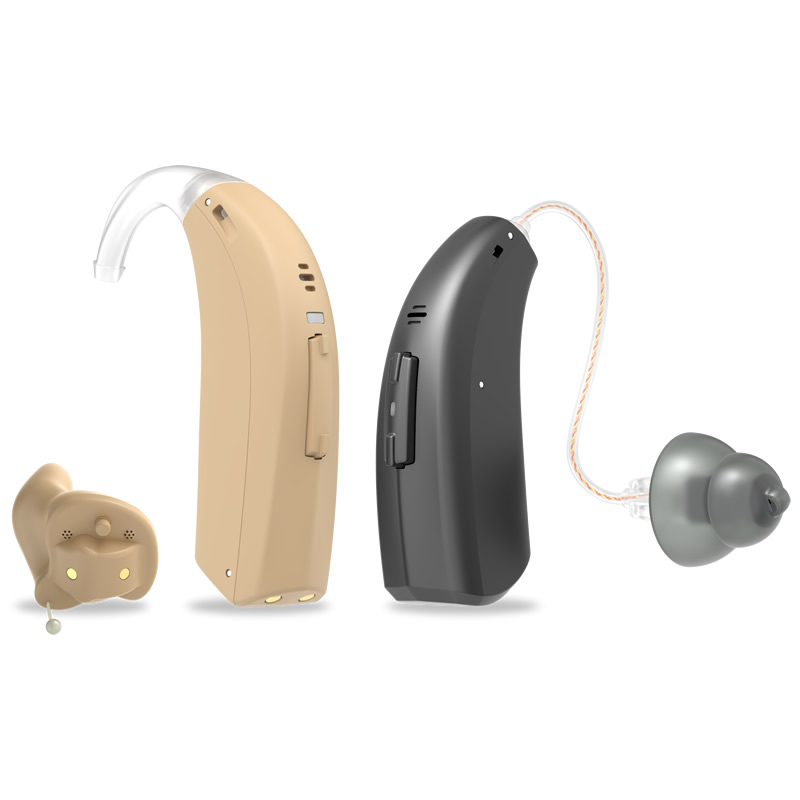
hearing aids

Just like getting glasses for your eyesight, addressing hearing changes early helps your brain stay engaged and keeps life vibrant. If you suspect a change in your or a loved one's hearing, take the step to get checked today. For more information on hearing health solutions, visit the AUSTAR Hearing official website.

2026-08-19
From T In The Park to hearing aids: The health risks of festivals

From T In The Park to hearing aids: The health risks of festivals

How often have you accused a loved one of having selective hearing? Perhaps it’s more apparent when you ask them to take out the rubbish. But what if it wasn’t a sly tactic to get out of doing household chores? What if they really had problems hearing you?


‘Hearing loss is now not just something associated with the elderly,’ says Boots audiologist Alan Pretty. ‘We are seeing more youngsters coming in with hearing problems caused by things such as MP3 players, concerts and festivals.’


Emma Harrison, of Action On Hearing Loss (formerly RNID), says the charity’s research has uncovered a worrying attitdute among young people.


‘We found people think they are toughening up their ears by standing next to loud music,’ she says. ‘People aren’t that aware of their hearing and it’s only when they lose it they realise they’ve actually done some damage – and by then it’s too late.’


So how high does the sound level have to be before it’s dangerous?


Wendy Davies, national sales and audiology manager at Siemens Hearing Instruments, says the volume of music played at concerts and festivals will vary but most likely average around 110 decibels. ‘By way of a comparison, a normal conversation is 60 to 65dB and a high volume is classified as more than 80dB, a level similar to standing at the side of a very busy road,’ she says.


Pretty thinks festivals can reach between 110dB and 130dB. ‘Ambulance sirens usually hit around 125dB and you know how loud that is when it goes past,’ he says. ‘Would you like to be in a room with that for hours on end? When you get to 130dB, that’s the threshold of pain and when it will physically hurt your ears.’


In fact, experts say prolonged exposure to anything over 85dB will cause hearing loss. ‘Just to put that into perspective,’ explains Pretty, ‘a very busy workplace where printers and various other things are going on around you can reach up  to 80dB, and so can the blender in  your kitchen.’


However, hearing loss doesn’t  happen suddenly, it occurs over a  period of time. ‘The important thing to remember is that it’s very uncommon  for hearing loss to occur straight after hearing a loud sound,’ says Nick Clive, audiologist at The Audiology Room.  ‘It usually happens after being exposed  to loud sounds for a length of time,  such as clubbing on a regular basis. When you’re subjected to high input sound for a long period of time, you don’t give your hearing a chance to recover and that’s what can cause the permanent damage.’


In Britain, an estimated 10million people are affected by hearing loss and on average they struggle for ten years before seeking help. With this in mind, Boots Hearingcare launched its Great Big Hearing Test campaign last month, designed to encourage those with hearing loss to seek treatment. The first step was to launch a free online hearing test.


Action On Hearing Loss has been working with festivals, nightclubs and music devices for its hearing protection campaign. ‘It’s aimed at getting music lovers to look after their hearing,’ says Harrison. ‘We tour all the major festivals with a marquee offering advice and selling earplugs and T-shirts, etc.  ‘Our research shows that 90 per cent of  young people have had a ringing in their ears at least once. Many top DJs and musicians wear earplugs, which filter the noise but don’t block it. However, the people in the crowd don’t realise their idols are doing this so we try to inform them as much as possible.’


Clive agrees that education is key. ‘Risk of hearing loss is much more common in youngsters than we realise,’ he says. ‘This is because the attitude about protecting your ears just isn’t there. We are unknowingly putting ourselves at risk. Rather than being seen as a hearing aid practice, which we are, we are trying to appeal to youngsters through mediums such as Facebook and Twitter. We want to let people know that there is a lot you can do to protect your ears that isn’t stuffy and old fashioned. We supply a lot of DJs with hearing protection devices. There’s a lot of trendy and discreet items out there.’

2012-09-04