



- Home
- Hearing Loss
- Audiology
10 Common Signs You Need a Hearing Checkup
2026-08-19Many people assume their ears are fine just because they can hear loud sounds, dismissing occasional difficulty as simple absent-mindedness. However, hearing loss often creeps in silently over months or years rather than happening overnight. The challenge is that you might not even realize what sounds you are missing.
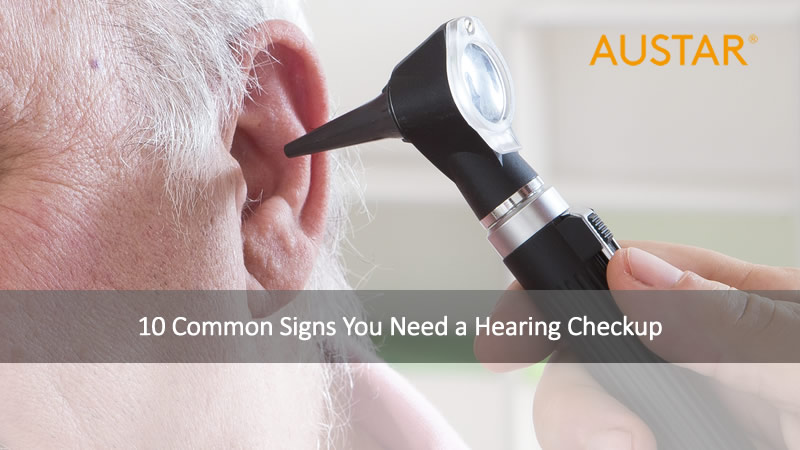
How can you tell if your hearing is gradually declining in daily life? Here are 10 common warning signs. If you experience three or more of these, it is wise to schedule a professional hearing evaluation.
1. Turning the TV or Phone Volume Up Too High
This is one of the most classic signs. While others find a normal volume comfortable, you find yourself constantly nudging it higher. Family members may complain that the sound is too loud, but to you, it finally sounds clear.
2. Constantly Asking People to Repeat Themselves
You frequently catch yourself saying "What?" or "Pardon?", especially when someone isn't facing you directly or when there is background noise. You may even unconsciously turn one ear toward the speaker to catch the words.
3. Struggling to Hear on Phone Calls
Phone conversations strip away visual cues and high-frequency details. If you frequently switch ears, press the phone tightly against your head, or rely entirely on speakerphone to make voices sound clearer, your high-frequency hearing may be fading.
4. Trouble Following Conversations in Noisy Places
In busy restaurants, parties, or cars, conversations blur into background noise. Instead of straining to keep up, you might find yourself just nodding and smiling, or withdrawing from the conversation entirely.
5. Feeling Like People Are Mumbling
It's not that everyone around you is speaking unclearly; rather, you are missing critical high-frequency consonant sounds (like "s," "sh," and "f") that give speech its definition. You hear the voice, but you miss the details.
6. Losing Your Place in Group Conversations
By the time your brain processes a question in a fast-moving group chat, the topic has already changed. This delayed response often leads to awkwardness and makes social settings exhausting rather than enjoyable.
7. Experiencing Persistent Ringing in the Ears (Tinnitus)
Ringing, buzzing, or hissing sounds often accompany hearing loss. While brief, occasional ringing is normal, tinnitus that lasts for more than a week alongside hearing difficulties warrants a medical checkup.
8. Friends or Family Pointing Out Your Hearing
Often, loved ones notice your hearing changes before you do—such as noticing you ignore people calling your name from another room or turn your head to one side during chats. When multiple people mention it, it's worth listening.
9. Missing High-Pitched Household Sounds
Faint, high-frequency sounds like doorbells, microwave timers, or boiling kettles are usually the first to disappear. Missing these signals is a subtle physical indicator of declining high-frequency hearing.
10. Social Withdrawal and Isolation
Because hearing clearly requires so much effort, social gatherings can become draining. Many people quietly pull back from social activities, often misattributing it to becoming more introverted with age, when the root cause is simply untreated hearing loss.
What to Do Next
If you checked three or more items on this list, don't panic. Start by visiting an ENT specialist or an audiologist for a comprehensive hearing test. If hearing loss is confirmed, modern interventions—ranging from medical treatments for conductive issues to advanced AUSTAR Hearing technology and customized hearing aids for sensorineural loss—can significantly restore your connection to the world.
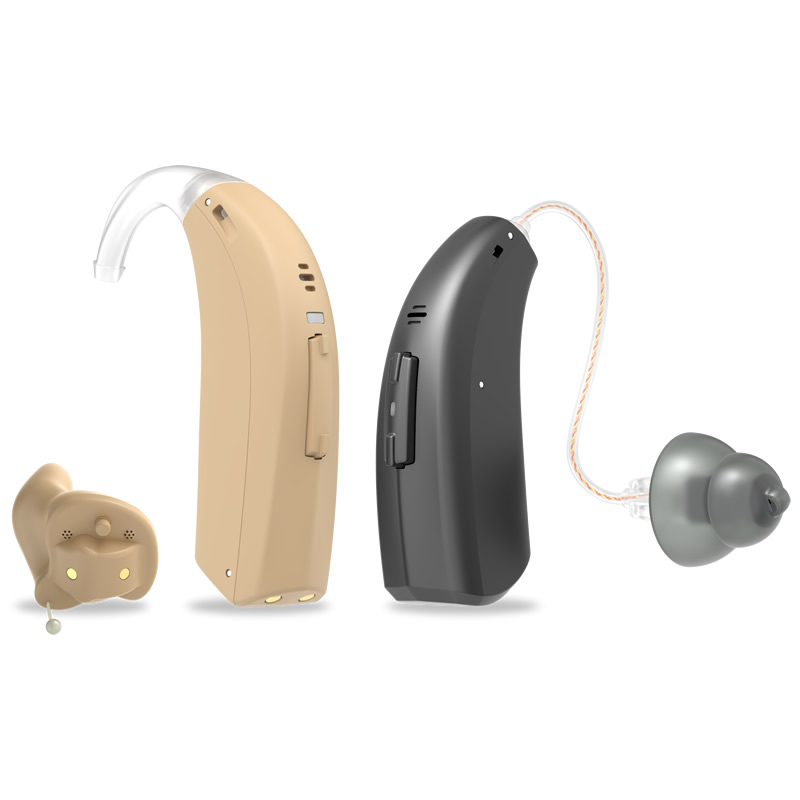
Just like getting glasses for your eyesight, addressing hearing changes early helps your brain stay engaged and keeps life vibrant. If you suspect a change in your or a loved one's hearing, take the step to get checked today. For more information on hearing health solutions, visit the AUSTAR Hearing official website.


Latest
Audiology

All 0 comments