



- Home
- Hearing Loss
- Audiology
The Myth of "Special Occasions": Why Consistent Hearing Aid Use is Critical for the Brain
2026-01-19In the hearing care industry, we frequently encounter the "selective wearer"—users who invest in high-quality hearing aids but only wear them for "important moments" like business meetings or family gatherings. At home or in quiet settings, the devices remain in the drawer.
While this may seem like a practical way to extend the device's lifespan, audiological science tells us otherwise. As a leading global hearing aid manufacturer, Austar Hearing explains why "occasional use" might be doing more harm than good.

1. The Biological Reality: Auditory Deprivation
Hearing is not just a function of the ears; it is a complex cognitive process. The brain relies on a constant stream of auditory stimulation to maintain its processing power. When hearing loss occurs, the auditory cortex receives fragmented signals, leading to functional decline—a phenomenon known as Auditory Deprivation.
If a user only wears hearing aids occasionally, the brain is forced to toggle between "sensory starvation" and "sudden overload." Without consistent input:
Auditory Memory Fades: The brain loses the ability to recognize subtle sounds.
Speech Clarity Drops: Even if the volume is loud enough, the brain struggles to decode the meaning of words.
Listening Fatigue Increases: The user must "re-learn" how to hear every time they put the device on, leading to exhaustion and frustration.
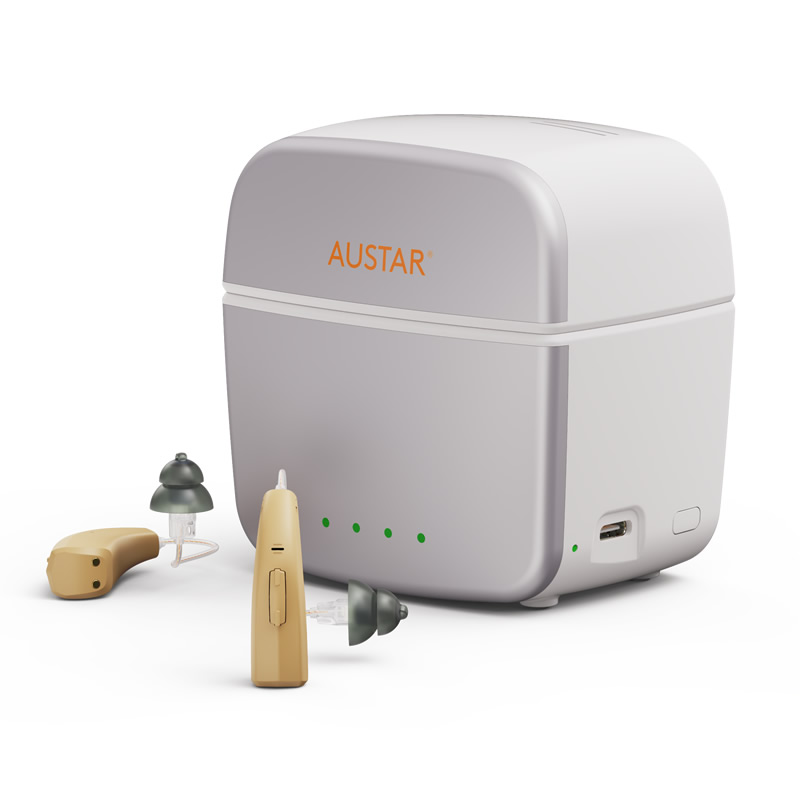
2. Mastering the Adaptation Period
Unlike reading glasses, hearing aids require a neurological adaptation period. The brain must re-learn how to filter out "forgotten" background noises—such as the hum of an air conditioner or the rustle of paper—to focus on primary speech.
If a user only wears their device in noisy, "important" social settings, the brain never has the chance to practice this filtering in a controlled, quiet environment first. This is why many occasional wearers complain that hearing aids are "too noisy." Consistent wear is the only way to train the brain to suppress noise and improve listening effort.
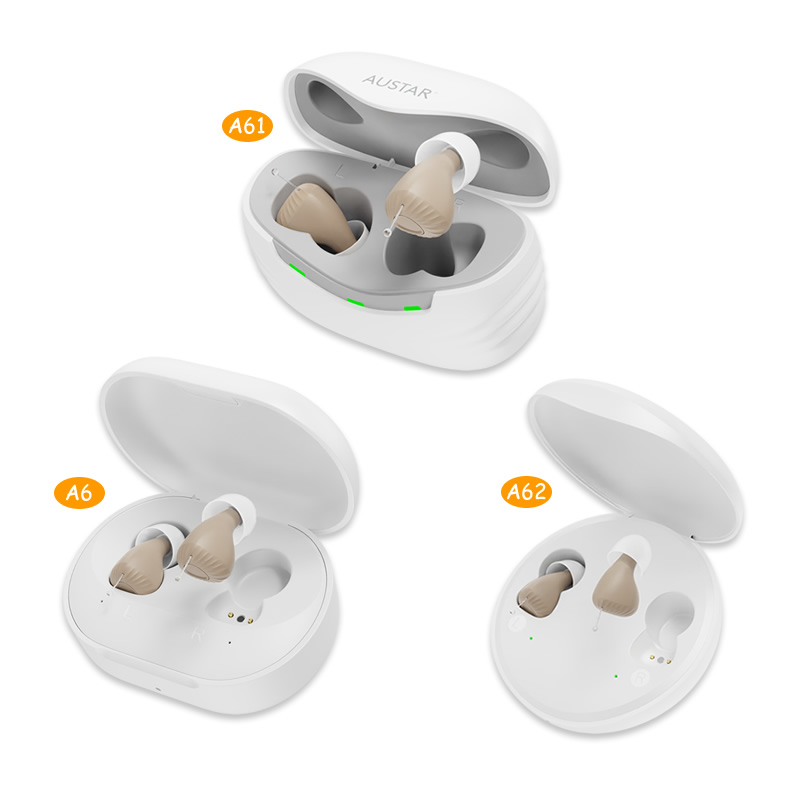
3. 24/7 Situational Awareness
Hearing is our primary safety system. The whistle of a boiling kettle, a knock at the door, or a car horn on the street are vital for daily safety. By only wearing hearing aids for social events, users leave themselves vulnerable in their everyday environments, compromising both convenience and personal security.
The Gold Standard: A Scientific Wearing Schedule
To ensure long-term success, we recommend that distributors and audiologists guide patients through a "Progressive Adaptation" strategy:
| Phase | Daily Duration | Suggested Environment | Goal |
| Week 1 | 2–3 Hours | Quiet indoors | Re-familiarize with household sounds. |
| Week 2 | 5–7 Hours | Parks or supermarkets | Practice focusing on speech in light noise. |
| Week 3+ | All-Day Wear | Complex social settings | Full auditory rehabilitation and brain health. |
Conclusion
A hearing aid is not an emergency tool; it is a long-term rehabilitation partner. Transitioning from "special occasion" use to a daily habit is the only way to unlock the true value of the technology and significantly improve the user’s quality of life.
Empower Your Clinic with Austar Technology At Austar Hearing, we specialize in providing CE (MDR) and FDA-compliant hearing solutions. Our advanced OEM/ODM hearing aid services are designed to shorten the adaptation period and improve patient satisfaction.


Latest
Audiology

All 0 comments